Fill the gap your heat escapes through.
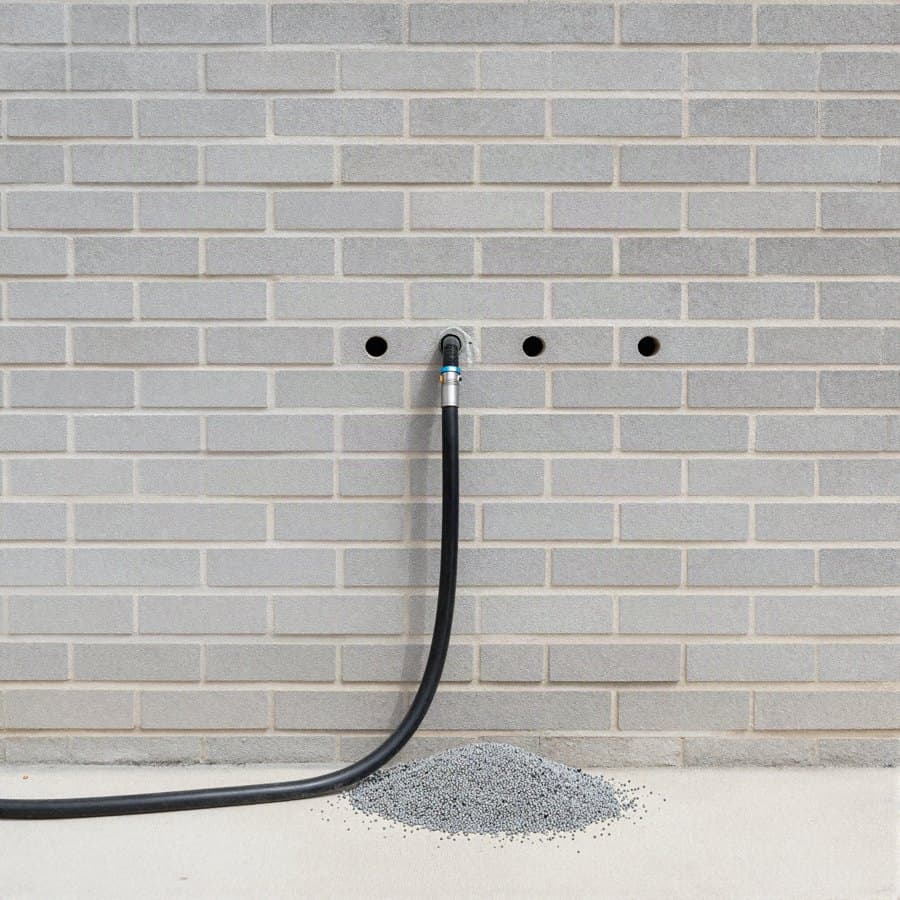
Most Irish homes built after 1940 have hollow walls — two layers with an empty gap between. Pumping that gap full of insulating bead is a half-day job from the outside, and the SEAI grant covers most of it.
 Leinster based
A 3-bed semi typically pays
€550 – €1,050
after the grant
~1/3
of a home's heat can be lost through cold, unfilled walls
€1,800
the top SEAI cavity grant — most semis get €1,200, and we do the paperwork
½ day
pumped from outside — no mess indoors
How the grant works
Up to €1,800
Approved before the work starts, then paid into your bank a few weeks after it’s done — we handle the application and the paperwork. Figures as of 2026-10-26. Rates vary by house type — your exact grant shows in your estimate.
Is it right for my house?
A good fit if…
- A home built and occupied before 2011 — that's what unlocks the grant
- Cavity walls that were never filled — hugely common in 1950s–2000s builds
- Cold walls, condensation corners, or rooms that never quite warm up
- Anyone doing a heat pump later — warm walls first makes it all cheaper
Probably not, if…
- Solid walls with no cavity — common pre-1940s; internal insulation is the right job instead
- Walls already pumped — there's usually nothing worth doing again
- Walls with damp problems — those need fixing before any insulation goes in
What's in the price
 the docket
- Insulating bead pumped through small drilled holes, outside only
- Holes made good to match the wall
- A borescope check first — we confirm the cavity is empty and suitable
- SEAI grant paperwork — we handle the claim
Not on this docket
- Internal (dry-lining) insulation for solid walls — its own job, priced separately
- Fixing existing damp — that comes first, and we'll say so honestly
No surprises at the till — anything extra is named at the free survey, never on the invoice.
toasty.ie
The install
- measure
1
Quick check
A borescope look inside the wall confirms the cavity is empty and dry — no point pumping a wall that isn't right.
- install
2
Pump and patch
Small holes drilled outside, bead pumped until the wall is full, holes made good. Half a day, all from outside.
- enjoy
3
Walls that hold heat
The house warms faster and stays warm longer — most people notice the difference in the first week.
The questions everyone actually asks
How do I know if my walls are cavity or solid?
Rough guide: built after 1940 with brick or block, likely cavity. Pre-1940s, likely solid. Our borescope check settles it for certain before any work starts.
Do I qualify for the grant?
Built and occupied before 2011, genuine unfilled cavity, SEAI-registered installer — that's the checklist, and we handle the paperwork. Up to €1,800 depending on house type.
Is the bead safe for the walls?
The bonded bead we use is certified for Irish homes, doesn't slump over time, and lets the wall breathe.
What if my walls were pumped years ago?
Then there's usually nothing worth doing again — and we'd rather tell you that than sell you a job. The survey confirms it either way.
Does it cause damp?
Done right on a suitable wall, no — that's what the suitability check is for. A wall with existing damp needs that fixed first, and we'll say so.
See your price — before you talk to anyone.
A few quick questions, an honest estimate, and a free survey if you like what you see.